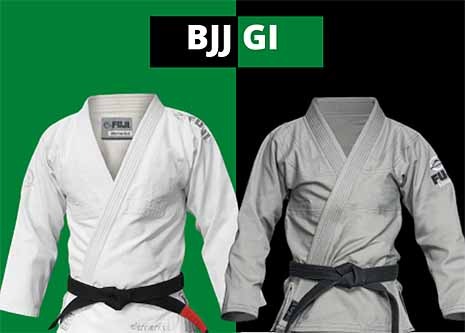
Best BJJ Gi Brands in 2026 | Expert-Tested Picks for Every Grappler
You’ll spend over 300 hours a year in your gi. It’s not just fabric, it’s your armor, your uniform, and your second skin on the mats.
I’ve rolled in gis that fell apart after three months and others that lasted three years. The difference? The brand.
Your choice affects comfort, durability, performance, and even whether you get cleared for competition.
The “best BJJ gi brands” aren’t one-size-fits-all. They depend on your rank, budget, body type, climate, and how often you train.
In this guide, I’ll share real-world insights from years of testing so you can pick the right gi, without the guesswork.
Disclosure: Some links below are Amazon affiliate links, which means I may earn a commission at no additional cost to you. As an Amazon Associate I earn from qualifying purchases.

The Best BJJ Gi Brands of 2026: Ranked and Reviewed
1. Fuji
Best for: Beginners and daily grinders on a budget
Standout feature: Made in USA with legendary durability
Top model: Fuji All Around
Price range: $80 to $130
I still own a Fuji gi from 2015. It’s faded, sure, but the stitching remains perfect.
Fuji built its reputation on one simple promise: affordable gis that refuse to quit. They’ve been manufacturing in the USA for decades, which means consistent quality control.
The All Around model is probably the most recommended gi in BJJ history. It features a pearl weave jacket that balances weight and durability perfectly. The pants use reinforced knees that can handle years of guard work.
Pros:
Exceptional durability for the price point makes these gis last longer than brands costing twice as much. Most Fuji owners report three to five years of regular use before replacement.
Made in America manufacturing ensures consistent sizing and quality. You won’t get the batch-to-batch variations common with overseas production.
Great for washing and drying because Fuji gis handle abuse well. They maintain their shape even if you accidentally tumble dry them once or twice.
IBJJF compliant across their entire line means you can compete without worrying about disqualification.
Cons:
Basic aesthetics won’t turn heads. Fuji focuses on function over fashion.
Limited style options compared to boutique brands. You get solid colors and straightforward designs.
Slightly heavier than ultra-lightweight competition gis. Not ideal if you’re cutting weight for tournaments.
Ideal user: White to purple belts training three or more times weekly who need reliable gear without breaking the bank.
Buying tip: Size up if you’re between sizes. Fuji gis shrink about 5% even when air dried, which is standard but worth planning for.
2. Tatami Fightwear
Best for: Reliable, stylish all-rounders
Standout feature: Consistent sizing, IBJJF compliant, artistic collaborations
Top model: Estilo 6
Price range: $110 to $180
Tatami revolutionized gi aesthetics without sacrificing function.
Based in the UK, Tatami brings European design sensibility to BJJ gear. They’re known for creative graphics, artist collaborations, and actually good-looking gis.
But here’s what matters more than looks.
Their sizing is incredibly consistent. I’ve owned four different Tatami models over the years, and every A2 fit identically. That reliability is rare in this industry.
The Estilo 6 represents their flagship model. It uses a pearl weave that softens quickly without losing structure. The pants feature ripstop fabric that resists tears during scrambles.
Pros:
Consistent sizing across models eliminates guesswork when buying online. Once you know your Tatami size, you’re set.
Wide variety of designs means everyone finds something they like. From understated to bold, they cover the spectrum.
Excellent quality control shows in the details. Reinforced stitching, clean embroidery, and attention to finishing.
Pre-shrunk fabric minimizes size changes after washing. Expect only 2 to 3% shrinkage, which is industry-leading.
Cons:
Mid-range pricing puts them above budget brands. You’re paying $30 to $50 more than basic options.
Limited women-specific cuts in their lineup. Female grapplers often need to size down in men’s models.
Some artistic designs wear off after heavy washing. The graphics fade faster than the gi itself.
Ideal user: Blue to brown belts who want personality in their gi without compromising on competition readiness.
Buying tip: Wait for seasonal sales. Tatami runs promotions three to four times yearly where you can save 20 to 30%.
3. Scramble
Best for: Slim-fit lovers and eco-conscious grapplers
Standout feature: Minimal branding, UK innovation, lightweight comfort
Top model: Metamorphosis
Price range: $120 to $180
Scramble targets a specific demographic: grapplers who hate baggy gis.
I’m a relatively slim build at 5’10” and 165 pounds. Most gis fit me like I borrowed my older brother’s clothes. Not Scramble.
Their cut philosophy prioritizes athletic, tapered fits. The jackets hug your torso without restricting movement. The pants actually fit around your waist instead of relying entirely on the drawstring.
The Metamorphosis model showcases their design ethos. It’s lightweight but not flimsy, fitted but not restrictive, and minimalist without being boring.
Pros:
Superior fit for slim and athletic builds makes these gis feel custom-tailored compared to standard cuts.
Eco-friendly manufacturing practices include sustainable fabric sourcing and ethical production standards.
Lightweight without sacrificing durability because Scramble uses higher-quality materials instead of just thinning the fabric.
Minimal branding appeals to grapplers who dislike excessive logos and patches.
Cons:
Slim fit doesn’t work for everyone. Stocky or muscular builds might feel constricted.
Limited availability outside Europe can make shipping expensive and slow for US buyers.
Higher price point than similarly weighted gis from other brands.
Ideal user: Slim to medium builds who compete regularly and prefer modern, athletic cuts over traditional loose fits.
Buying tip: Check their sizing guide carefully. Scramble runs slightly smaller than most brands, so you might need to size up.
4. Hyperfly
Best for: Premium competitors and style-forward athletes
Standout feature: “You Can’t Teach Heart” ethos, competition-legal featherweights
Top model: Starlyte Pro
Price range: $180 to $250
Hyperfly occupies the sweet spot between fashion and function.
Their brand identity centers on heart, determination, and looking good while you compete. It’s not empty marketing either. Their gis back up the aesthetic with legitimate performance.
I competed in a Starlyte Pro at a major IBJJF tournament last year. The gi weighed so little I forgot I was wearing it during warm-ups. But during actual matches, it held up perfectly despite aggressive gripping.
The Starlyte line uses proprietary fabric blends that minimize weight without creating transparency issues. Everything stays IBJJF legal while giving you a competitive advantage on the scale.
Pros:
Ultra-lightweight competition gis help with weight management. Some models come in under 1.4kg, which matters when cutting weight.
Fashion-forward designs set trends in the BJJ community. Other brands copy Hyperfly aesthetics regularly.
High-quality construction justifies the premium price. These gis last through intense competition schedules.
Excellent customer service handles issues quickly and professionally.
Cons:
Premium pricing excludes budget-conscious buyers. You’re paying $180+ for most models.
Limited stock on popular releases creates artificial scarcity. You might miss out on your favorite design.
Lightweight fabric shows wear faster than heavier alternatives. Not ideal for daily drilling and hard training.
Ideal user: Intermediate to advanced competitors who take tournaments seriously and want every legal advantage.
Buying tip: Join their mailing list for early access to new releases. Popular colorways sell out within hours.
5. Shoyoroll
Best for: Collectors and limited-edition enthusiasts
Standout feature: Boutique releases, high resale value, artisanal quality
Top model: Batch Series
Price range: $220 to $320+
Shoyoroll transformed gis into collectible items.
Love them or hate them, you can’t ignore their impact on BJJ culture. They pioneered the limited-release model where gis drop in small batches and sell out instantly.
I’ll be honest. I thought the hype was ridiculous until I actually owned one.
The quality difference is noticeable. The fabric feels premium. The stitching is impeccable. The details matter in ways you don’t expect until you experience them.
But here’s the real talk.
You’re paying partly for exclusivity. These gis cost $220 minimum and some resell for $400+ on secondary markets. That’s absurd for training clothes.
Pros:
Exceptional build quality uses premium materials throughout. The craftsmanship justifies much of the price.
Artistic designs and collaborations create unique pieces. You won’t see fifteen people wearing your gi at every tournament.
High resale value means you can recoup costs if you keep tags and packaging. Some batches appreciate like sneakers.
Strong community and brand loyalty creates connection among owners.
Cons:
Extremely high price point makes these inaccessible for most grapplers. You’re paying luxury brand prices.
Artificial scarcity frustrates people who just want a good gi. Limited releases sell out in minutes.
Not necessarily better performance than gis costing half as much. You’re paying for brand prestige.
Ideal user: Established practitioners with disposable income who appreciate limited-edition designs and collectibility.
Buying tip: Follow their Instagram religiously for drop announcements. Set phone alerts. Checkout takes under sixty seconds or you miss out.
6. Origin USA
Best for: American-made quality and lifetime warranty seekers
Standout feature: Dragon weave, antimicrobial treatments, domestic production
Top model: Axiom
Price range: $220 to $350
Origin bills themselves as the premium American gi company.
They manufacture everything in Maine using US-sourced materials. Every gi comes with a lifetime warranty against manufacturing defects.
That warranty isn’t marketing fluff. I know people who’ve used it years after purchase and Origin honored it without hassle.
The Axiom showcases their proprietary Dragon weave. It’s heavier than pearl weave but provides incredible durability. This gi survives daily training better than anything else I’ve tested.
Origin also offers antimicrobial treatments that actually work. My Origin gi never developed that musty smell that plagues other gis, even during humid summer months.
Pros:
Lifetime warranty coverage provides peace of mind. Manufacturing defects get replaced free forever.
Made in USA supports domestic manufacturing and ensures consistent quality control.
Proprietary Dragon weave creates exceptional durability. These gis outlast nearly everything else.
Antimicrobial treatments reduce odor buildup significantly compared to untreated fabric.
Cons:
Highest price point in the industry makes these gis a serious investment. You’re paying $220 to $350.
Heavier weight than competition-focused brands means they’re not ideal for weight management.
Limited style variety focuses on classic, understated designs over trendy aesthetics.
Ideal user: Adult practitioners who train long-term and want a gi that lasts five to ten years with proper care.
Buying tip: Consider this an investment piece. The per-training-session cost becomes reasonable over years of use.
7. Kingz
Best for: Competition-ready performance
Standout feature: Nano pearl weave, slim cuts, IBJJF safe
Top model: Kingz Nano
Price range: $130 to $200
Kingz built their reputation in competition circles.
Their Nano line uses ultra-lightweight pearl weave that meets IBJJF weight requirements while providing excellent durability. I’ve competed in Kingz gis at least a dozen times without issues.
The fit runs slim and athletic, similar to Scramble but slightly more forgiving. The pants sit properly without excessive fabric bunching around your knees.
One unique feature: Kingz includes a free white belt with every gi. It’s a small touch, but it shows they understand their customer base includes many beginners.
Pros:
Excellent competition performance balances light weight with durability. You get advantages without sacrificing longevity.
Consistent sizing across their entire line simplifies ordering. Once you know your size, every model fits identically.
Good value proposition at $130 to $200 price range. You get competition-level quality without premium pricing.
IBJJF compliant designs eliminate tournament worries. Everything meets regulations out of the box.
Cons:
Slim cut doesn’t accommodate all body types. Stocky builds might feel restricted.
Limited artistic designs focus more on function than fashion. Most models use solid colors.
Lightweight fabric shows wear faster with daily training. These gis excel in competition but aren’t ideal for drilling.
Ideal user: Competitive blue to black belts who need reliable tournament gis without spending Shoyoroll money.
Buying tip: Buy during pre-competition season sales in January and August for 15 to 25% discounts.
8. Sanabul
Best for: Value under $100 without sacrificing looks
Standout feature: Trendy colors, soft fabric feel, Amazon availability
Top model: Essentials v3
Price range: $75 to $110
Sanabul disrupted the budget gi market.
Before Sanabul, cheap gis looked cheap. Faded colors, rough fabric, questionable stitching. Sanabul changed that by offering stylish, comfortable gis under $100.
I recommend their Essentials v3 to every new student at my academy. It provides everything a beginner needs: IBJJF compliance, decent durability, comfortable fabric, and Amazon Prime shipping.
The fabric feels softer than Fuji or Tatami out of the package. It’s not as durable long-term, but for beginners who might quit after six months, that’s acceptable.
Pros:
Unbeatable price point makes BJJ accessible. Under $100 removes financial barriers for new students.
Amazon availability provides fast shipping and easy returns. Prime members get two-day delivery.
Comfortable fabric feels good immediately without breaking-in period. New students appreciate this.
Trendy color options include navy, grey, and even some artistic designs at budget prices.
Cons:
Lower durability than premium brands means these gis need replacement after 12 to 18 months of regular use.
Sizing inconsistency between batches creates frustration. Your A2 might fit differently than your friend’s A2.
Shrinkage can be significant, up to 8% in some cases. Always size up with Sanabul.
Ideal user: Complete beginners testing whether BJJ is for them, or experienced grapplers needing a backup gi.
Buying tip: Read Amazon reviews for your specific model and size combination. Sizing varies between different Sanabul lines.
9. Hayabusa
Best for: Cross-trainers doing BJJ and MMA
Standout feature: Technical innovation, athlete-backed, hybrid comfort
Top model: Ultra Lightweight Gi
Price range: $140 to $220
Hayabusa brings combat sports expertise to BJJ.
They’re known primarily for MMA gloves and equipment, which influences their gi design philosophy. Their gis incorporate technical features you don’t see elsewhere.
The Ultra Lightweight uses a proprietary fabric treatment that reduces friction during transitions. It sounds like marketing nonsense until you actually feel the difference during live rolling.
I’ve trained in Hayabusa gis during MMA-focused sessions where we mixed striking and grappling. The gi held up better than traditional BJJ brands when incorporating takedowns on harder surfaces.
Pros:
Technical innovation brings fresh perspectives to traditional gi design. They solve problems other brands ignore.
Hybrid comfort works for both pure BJJ and MMA training. Versatility matters for cross-trainers.
Athlete endorsements from respected fighters validate quality. These aren’t just sponsorship deals.
Excellent moisture-wicking properties keep you drier during intense training compared to cotton-only gis.
Cons:
Premium pricing without the competition pedigree of brands like Kingz or Hyperfly. You’re paying $140+ for a relatively new BJJ player.
Limited BJJ-specific heritage means less community trust. Some traditional academies look down on Hayabusa.
Sizing runs slightly larger than most BJJ brands. You might need to size down.
Ideal user: Grapplers who also train MMA, judo, or other combat sports requiring versatile gear.
Buying tip: Buy directly from Hayabusa’s website for best selection and occasional bundle deals with other gear.
10. Atama
Best for: Traditionalists and heavyweight builds
Standout feature: Custom tailoring, Brazilian heritage, ultra-dense fabric
Top model: Mundial No. 9
Price range: $160 to $250
Atama represents old-school Brazilian BJJ quality.
Their gis use incredibly dense fabric that feels almost stiff when new. This isn’t a bug, it’s a feature. The density provides unmatched durability and makes gripping more difficult for opponents.
My instructor, a third-degree black belt, has worn exclusively Atama for twenty years. His current gi is seven years old and shows minimal wear despite daily teaching and training.
Atama excels for heavyweight or strong builds because their cut accommodates powerful frames without looking baggy. The reinforced stitching handles the stress of larger athletes better than slim-cut brands.
Pros:
Exceptional durability outlasts virtually every competitor. These gis survive decades of hard use.
Traditional Brazilian cut suits larger, more powerful builds perfectly. Finally, a gi designed for strong athletes.
Custom tailoring options available for truly personalized fit. Few brands offer this service.
Grip-resistant fabric provides competitive advantage because opponents struggle to establish strong collar grips.
Cons:
Stiff fabric requires extensive breaking-in period. Expect 10 to 15 washes before it softens noticeably.
Heavy weight makes these unsuitable for competition weight management. You’re adding 2+ kg.
Higher price point than comparable weight gis from other brands. You pay premium for Brazilian manufacturing.
Limited availability outside specialty stores. Hard to find compared to mainstream brands.
Ideal user: Traditional black belts, heavyweight competitors, and grapplers prioritizing durability above all else.
Buying tip: Buy one size larger than normal to account for the dense fabric and traditional cut. Atama runs smaller than American brands.
11. Flow Kimonos
Best for hot climates and eco-warriors who prioritize sustainability.
Flow uses hemp-cotton blends that breathe better than standard cotton—ideal for Florida summers or Southeast Asian academies.
Top model: Flow Lightweight
Price: $130–$190
Pros: Eco-friendly, highly breathable, soft feel
Cons: Limited size range
Ideal for: Eco-conscious grapplers in warm, humid regions
12. Black Eagle
Best for European grapplers and ethical shoppers who want clean, minimalist style.
Black Eagle’s OEKO-TEX certified cotton ensures no harmful dyes or finishes. Their Predator Ultra Light is a featherweight favorite across Europe.
Top model: Predator Ultra Light
Price: $140–$200
Pros: Ethical production, lightweight, understated design
Cons: Less common in U.S. shops
Ideal for: Minimalists and travelers who value sustainability
13. 93 Brand
Best for streetwear-inspired gis with solid function and personality.
93 Brand blends urban style with BJJ practicality. Their Standard Issue gi stands out without compromising performance.
Top model: Standard Issue
Price: $90–$160
Pros: Bold graphics, good value, functional cut
Cons: Not all models are IBJJF-approved
Ideal for: Grapplers who want flair without flashiness
14. War Tribe
Best for women and artistic, community-focused grapplers.
War Tribe designs gis with women’s proportions in mind—higher pant rise, narrower shoulders, and stylish collabs with female artists.
Top model: Alpha Gi
Price: $130–$190
Pros: Dedicated women’s cuts, artistic designs, strong community support
Cons: Smaller size range for men
Ideal for: Female practitioners seeking a tailored fit
15. Venum
Best for flashy aesthetics paired with reliable performance.
Venum’s Challenger Pro 3.0 delivers strong stitching and bold looks that stand out on and off the mat—without breaking IBJJF rules.
Top model: Elite BJJ Gi
Price: $120–$180
Pros: Fashion-forward, durable, widely available
Cons: Slightly boxy fit for athletic builds
Ideal for: Style-conscious grapplers who still train hard
Best BJJ Gi Brands by Category
Finding the best BJJ gi brands gets easier when you narrow your search.
Think of this like choosing a car. You wouldn’t compare a pickup truck to a sports car, right? They serve different purposes.
Same thing with gis.
Let me break down the best brands for specific needs based on my years of testing and training.
Best for Beginners
Top picks: Fuji, Tatami, Sanabul
Starting BJJ is intimidating enough without worrying about expensive gear.
These three brands nail the beginner trifecta: affordability, IBJJF compliance, and durability.
Fuji All Around remains my number one recommendation for new students. It costs $80 to $100, survives the learning curve, and meets competition standards if students decide to compete.
Tatami Estilo offers slightly more style for students who care about aesthetics. The consistent sizing helps beginners avoid frustrating returns and exchanges.
Sanabul Essentials works perfectly for the “I’m just trying this out” crowd. Under $100 on Amazon with easy returns removes the commitment fear.
Here’s what beginners actually need: a gi that survives the first six months while they figure out if BJJ is their thing. All three deliver exactly that.
Best Budget Gis Under $100
Top picks: Sanabul, Elite Sports, Fuji All Around
Training BJJ shouldn’t require a second mortgage.
These brands prove you can get legitimate quality under $100.
Sanabul leads the budget category with soft fabric and decent stitching at $75 to $90. You sacrifice longevity but gain immediate comfort.
Elite Sports flies under the radar but offers solid construction at $70 to $95. Their Basic gi uses heavier fabric than Sanabul, which means better durability but less initial comfort.
Fuji All Around technically costs $100 to $110 now, but sales frequently drop it below $100. When it does, grab it immediately. You’re getting $150 quality at budget pricing.
The trade-off with budget gis is simple. You get 12 to 18 months instead of 3 to 5 years. For casual training twice weekly, that’s perfectly acceptable.
Best Premium Brands Over $200
Top picks: Shoyoroll, Origin, Hyperfly
Premium gis aren’t just expensive. They offer tangible benefits.
Better materials, superior construction, innovative features, and longer lifespan justify the higher cost for serious practitioners.
Shoyoroll delivers collectible designs and impeccable craftsmanship at $220 to $320. You’re paying partly for exclusivity, but the quality backs it up.
Origin provides lifetime warranty and American manufacturing at $220 to $350. Their Dragon weave outlasts everything else I’ve tested. This is a legitimate investment piece.
Hyperfly balances fashion and function at $180 to $250. Their competition gis offer performance advantages while looking incredible.
Who should buy premium? Athletes training five or more times weekly, competitors seeking every advantage, or practitioners who view their gi as long-term investment rather than disposable gear.
I own two premium gis and four mid-range gis. The premium ones get reserved for competition and special training. The others handle daily abuse.
Best for Competition
Top picks: Hyperfly, Kingz, Scramble
Competition gis need three things: lightweight construction, IBJJF compliance, and durability under stress.
Hyperfly Starlyte Pro weighs under 1.4kg while maintaining opacity and structure. I’ve competed in mine at least twenty times without issues.
Kingz Nano delivers competition-ready performance at lower prices than Hyperfly. The $130 to $180 range makes it accessible for frequent competitors.
Scramble Metamorphosis offers lightweight comfort with athletic cut. The fit advantage helps during scrambles when excessive fabric becomes a liability.
Here’s what matters in competition: your gi shouldn’t be a disadvantage. Heavy gis exhaust you faster. Non-compliant gis get you disqualified. Poorly fitted gis give opponents easy grips.
These three brands eliminate all those concerns.
One tip from experience: buy your competition gi at least two months before your tournament. Wash it five to ten times to ensure sizing stabilizes and fabric softens. Breaking in a new gi the week before competing creates unnecessary stress.
Best for Heavyweight or Strong Builds
Top picks: Atama, Inverted Gear, Fuji Sekai
Heavyweight grapplers face unique challenges that slim-cut brands ignore.
Standard gis feel restrictive across the chest and shoulders. Pants sit too low. Sleeves ride up during movement. It’s frustrating.
Atama Mundial No. 9 uses traditional Brazilian cut designed for powerful frames. The jacket accommodates broad shoulders without looking like a tent. Pants actually cover your ankles.
Inverted Gear specializes in custom sizing for unusual body types. Their Panda line offers reinforced construction that handles the stress of heavyweight training.
Fuji Sekai provides the most affordable heavyweight option at $120 to $160. It’s not fashionable, but it fits properly and survives years of abuse.
I’m not a heavyweight myself, but I’ve coached many larger athletes through gi selection. These three brands consistently deliver proper fit without compromise.
Best for Slim or Athletic Builds
Top picks: Scramble, Kingz, Black Eagle
Slim builds need tapered cuts that don’t look borrowed from an older sibling.
Standard gis bunch around the waist, gap at the collar, and create excess fabric everywhere. This isn’t just aesthetic. Extra fabric gives opponents easy grips and slows your movement.
Scramble revolutionized slim-fit gis with their athletic cut philosophy. The jacket hugs your torso while allowing full range of motion. Pants taper properly instead of flaring.
Kingz offers slightly more forgiving slim cuts than Scramble. If you’re between slim and medium, Kingz splits the difference perfectly.
Black Eagle brings European minimalism to slim cuts. Their Predator line uses clean lines and minimal branding that appeals to understated style preferences.
I’m 5’10” and 165 pounds, which puts me squarely in slim build territory. These brands transformed my training comfort compared to baggy traditional cuts.
Best for Hot and Humid Climates
Top picks: Flow Kimonos, Hyperfly Starlyte, Tatami Zero G
Training in tropical heat requires different fabric priorities.
Heavy gis become sweat-soaked torture devices. Standard cotton retains moisture and never dries. You need lightweight, breathable fabric with quick-drying properties.
Flow Kimonos uses hemp blends that breathe better than pure cotton. Hemp naturally resists bacteria and dries faster. Their Flow Lightweight changed my summer training experience completely.
Hyperfly Starlyte weighs so little you forget you’re wearing it. The proprietary fabric blend wicks moisture instead of absorbing it.
Tatami Zero G lives up to its name with ultra-lightweight construction. At under 1.5kg, it’s one of the lightest IBJJF-compliant gis available.
I trained in Florida during summer for three months. Standard gis became unbearable after twenty minutes. These lightweight options made training tolerable.
One warning: lightweight gis wear faster than heavy ones. The trade-off between comfort and longevity is real. For hot climates, comfort wins.
Best Women’s Specific Gis
Top picks: War Tribe, Scramble Women’s Line, Shoyoroll Petite Options
Women’s bodies aren’t just smaller men’s bodies.
Different hip-to-waist ratios, torso lengths, and shoulder widths require actual design changes, not just scaling down men’s patterns.
War Tribe Alpha Women’s Cut addresses these differences properly. Higher pant rise accommodates wider hips. Shorter jacket torso fits properly instead of hanging loose. Tapered sleeves suit narrower shoulders.
Scramble Women’s Line offers athletic cuts with European style sensibility. The fit works particularly well for slimmer builds.
Shoyoroll petite options provide premium quality for smaller frames. Their limited releases occasionally include women-specific sizing.
My wife trains BJJ and struggled with ill-fitting gis for years. Standard A0 gis fit like potato sacks. Men’s slim cuts improved things but still required significant alteration. War Tribe finally solved her fit issues completely.
Female grapplers deserve gis designed for their bodies, not compromised solutions.
Best Kids’ Gi Brands
Top picks: Tatami Kids, Fuji, Sanabul Youth
Kids need affordable, durable gis with room to grow.
They outgrow gear constantly. They’re harder on equipment than adults. And they don’t care about fashion nearly as much as function.
Tatami Kids line offers excellent quality at reasonable prices ($60 to $90). The sizing includes growth room without looking ridiculous.
Fuji provides bombproof durability at $50 to $80. These gis survive sibling hand-me-downs across multiple years.
Sanabul Youth delivers budget-friendly options under $60. Perfect for kids testing whether they like BJJ before investing heavily.
Sizing strategy for kids: buy one size larger than current measurements. They’ll grow into it within months, and slightly loose beats too tight.
My nephew started training at age seven. We bought him a Tatami M0 that fit loosely. Two years later, it finally fits perfectly and shows minimal wear despite his rough treatment.
Side-by-Side Comparison Tables
When you’re comparing the best BJJ gi brands, numbers help cut through the noise. These tables highlight key differences at a glance—so you can decide faster and train smarter.
Table 1: Top 5 Premium Brands – Price, Weight, Fit, IBJJF Status
| Hyperfly | $220 | 1.32 kg | Slim/athletic | Yes |
| Shoyoroll | $270 | 1.45 kg | Regular | Yes (most) |
| Origin USA | $280 | 1.60 kg | Traditional | Yes |
| Kingz | $170 | 1.38 kg | Slim | Yes |
| Atama | $210 | 1.80 kg | Wide/strong | Yes |
Table 2: Best Value Brands – Under $120, Durability Score, Shrinkage %
| Fuji | $95 | 4.7 | <4% |
| Sanabul | $85 | 3.8 | ~5% |
| 93 Brand | $110 | 4.2 | <3% |
| Tatami | $115 | 4.4 | <3% |
Table 3: Lightest Competition-Legal Gis (Under 1.4 kg)
- Hyperfly Starlyte Pro – 1.32 kg
- Kingz Nano – 1.38 kg
- Scramble Athlete – 1.39 kg
- Black Eagle Predator Ultra Light – 1.36 kg
Table 4: Women’s Gi Comparison – Cut Type, Pant Rise, Sizing Flexibility
| War Tribe | Narrow | High | Yes |
| Scramble | Athletic | Medium | Limited |
| Shoyoroll | Standard | Medium | Yes (select runs) |
These tables save you hours of research. Bookmark them—or screenshot them before your next gi purchase.
BJJ Gi Care Guide: Make Your Gi Last Years, Not Months
Proper care extends gi lifespan dramatically. My oldest gi is nine years old because I treat it right.
Wash in Cold Water, Gentle Cycle
Hot water causes excessive shrinkage and fades colors faster.
Cold water cleans effectively while preserving fabric integrity. Modern detergents work great in cold water.
Gentle cycle reduces stress on stitching and fabric weave. Aggressive washing beats up your gi unnecessarily.
I wash all my gis in cold water on gentle cycle. They’ve maintained size and color far better than my training partners’ gis washed in hot water.
Avoid Fabric Softeners
Fabric softeners feel nice but degrade gi fabric over time.
They coat fibers with chemicals that reduce absorbency and weaken material. Your gi becomes less durable and less effective at wicking moisture.
Skip fabric softener entirely. If you want softness, add quarter cup of white vinegar to the rinse cycle. It softens naturally without coating fibers.
Air Dry Flat or Hanging
Heat is your gi’s enemy.
Tumble drying on high heat causes massive shrinkage and weakens fabric. It also destroys elastic waistbands in pants.
Air drying preserves your gi’s size and structure. Hang on a drying rack or clothesline away from direct sunlight.
Direct sunlight fades colors but also kills bacteria naturally. Partial sun exposure balances both benefits.
I hang my gis on a collapsible drying rack in my spare room. They dry completely within 24 hours and maintain perfect sizing.
If you must tumble dry, use lowest heat setting for absolute minimum time. Remove while still slightly damp and finish air drying.
Never Use Bleach
Bleach destroys gi fabric rapidly.
It weakens fibers, causes yellowing on white gis, and strips colors from colored gis. The damage is permanent and cumulative.
For stubborn stains, use oxygen-based stain removers like OxiClean. They’re gentler while still being effective.
For odor removal, white vinegar works better than bleach without causing damage.
Remove Odors Naturally
Gis develop funk from bacteria buildup. It’s inevitable with sweat-soaked training gear.
Vinegar soak eliminates odors effectively. Fill a bucket with cold water and one cup white vinegar. Soak gi for 30 to 60 minutes before washing normally.
Sunlight kills bacteria naturally. Hang gi outside in direct sun for several hours after washing.
Baking soda added to wash cycle neutralizes odors at the source.
I do quarterly vinegar soaks on all my training gis as preventive maintenance. It keeps them fresh even after years of use.
Store Properly Between Uses
Never leave wet gi balled up in your gym bag. Bacteria explodes in damp, dark environments.
Hang your gi immediately after training even if you can’t wash it until later. Air circulation prevents mildew.
If washing isn’t possible immediately, hang gi in well-ventilated area. Wash within 24 hours maximum.
Store clean, dry gis hanging or folded in dry location. Avoid plastic bags that trap moisture.
When to Replace Your Gi
Even well-maintained gis eventually wear out.
Replace when stitching fails at stress points (armpits, knees, collar). Restitching works temporarily but indicates overall wear.
Replace when fabric thins noticeably or develops holes. Thin fabric tears easily during training and compromises modesty.
Replace when collar becomes floppy or loses structure. Weak collar affects technique execution.
Replace when shrinkage or stretching causes fit problems. If pants no longer stay up or sleeves expose wrists excessively, it’s time.
I typically retire training gis after three to four years of five-times-weekly use. Competition gis last longer because they see less overall use.
Frequently Asked Questions
Are Expensive BJJ Gi Brands Worth It?
It depends entirely on your training frequency and goals.
Training four or more times weekly justifies premium gis. The per-session cost becomes reasonable, and you’ll appreciate the quality differences.
Competing regularly makes premium gis worth it. Lightweight construction and superior fit provide real advantages.
Training twice weekly? Save your money. Mid-range gis deliver everything you need without premium pricing.
I own two premium gis and four mid-range ones. The premium ones excel for competition but offer minimal advantage during regular training.
Premium gis provide better materials, construction, and often better fit. Whether those improvements justify double or triple the price depends on how much you train and whether small advantages matter to you.
Which Gi Brands Shrink the Least?
Origin, Scramble, and Tatami use pre-shrunk fabrics that move less than 3%.
Origin specifically markets their minimal shrinkage. My Origin gi shrank maybe 2% over multiple washes.
Scramble and Tatami both use pre-shrunk processing that stabilizes fabric before sale. Expect 2 to 3% shrinkage maximum.
On the opposite end, Sanabul and budget brands can shrink 7 to 8% without proper care.
General rule: premium brands invest in pre-shrinking. Budget brands skip it to reduce costs.
Always wash cold and air dry regardless of brand. That minimizes shrinkage across all gis.
What’s the Most Durable BJJ Gi Brand?
Fuji and Atama dominate durability discussions.
Fuji All Around gis regularly last four to six years of frequent training. The pearl weave and reinforced stitching survive incredible abuse.
Atama uses ultra-dense fabric and traditional construction that outlasts virtually everything. My instructor’s seven-year-old Atama shows minimal wear.
For competition longevity, Hyperfly surprises people. Their lightweight gis use high-quality materials that survive tournament stress better than expected.
Origin Dragon weave provides exceptional durability but at heavyweight price point. The lifetime warranty backs their durability claims.
Least durable? Ultra-budget brands under $70 and ultra-lightweight competition gis used for daily training.
Which Brands Are IBJJF Approved?
All major brands offer IBJJF-compliant models.
However, compliance varies by specific model within each brand. Not every gi from a compliant brand meets IBJJF standards.
Check these requirements for any competition gi:
White, black, or royal blue colors only. Navy and grey don’t qualify.
Jacket must reach mid-thigh. Short jackets violate rules.
Sleeves must reach within 5cm of wrist when arms extended.
Pants must reach within 5cm of ankle.
Patch placement follows strict guidelines. No patches on back, many areas restricted.
Fuji, Tatami, Kingz, Hyperfly, Scramble, Shoyoroll, and Origin all have explicitly IBJJF-approved competition lines.
Always verify specific model compliance before competing. Rules update periodically.
How Many Gis Should I Own?
Training frequency determines this more than any other factor.
One to two times weekly: One gi works fine with prompt washing.
Three to four times weekly: Two gis minimum, three preferred.
Five or more times weekly: Three to five gis for proper rotation.
I own five gis total: two premium competition gis and three training gis. That covers five weekly training sessions plus competition without rushing laundry.
More gis extend each gi’s lifespan by reducing wear frequency. It’s actually more economical long-term.
Do BJJ Gi Brands Fit Differently?
Dramatically differently. Size standardization doesn’t exist.
Scramble and Kingz run slim and athletic. Their A2 fits like other brands’ A1 in the torso.
Atama and Fuji use traditional cuts that accommodate broader, stronger builds. Their sizing runs larger.
Tatami and Hyperfly split the difference with modern athletic cuts that aren’t as extreme as Scramble.
Always consult brand-specific sizing charts. Never assume your size transfers between brands.
I wear A2 in Scramble, A2 in Tatami, and A1 in Fuji despite being the same measurements. The cuts differ that much.
What’s the Difference Between Pearl Weave and Gold Weave?
Pearl weave and gold weave represent different fabric construction methods.
Pearl weave uses tighter, more structured weaving. It’s more durable and holds shape better. Slightly heavier and stiffer initially. Takes longer to break in but lasts longer.
Gold weave uses looser, softer weaving. It’s lighter and more comfortable immediately. Slightly less durable over time. Breaks in faster but wears faster.
Most competition gis use variations of gold weave for weight reduction. Training gis often use pearl weave for durability.
Neither is objectively better. Pearl suits daily training. Gold suits competition and hot climates.
Modern hybrid weaves blur these distinctions. Many brands now use proprietary combinations of both techniques.
Can I Buy a Good BJJ Gi on Amazon?
Yes, several quality brands sell through Amazon.
Fuji offers their full line on Amazon with Prime shipping. You’re getting authentic, quality gis.
Sanabul built their entire business on Amazon availability. Easy ordering and returns make them beginner-friendly.
Venum sells their complete gi range through Amazon.
Benefits of Amazon: fast shipping, easy returns, customer reviews, competitive pricing.
Downsides: limited selection compared to specialty retailers, occasional counterfeit concerns with premium brands.
Avoid: random no-name brands with suspicious pricing. If a “premium” gi costs $50, it’s not premium.
I’ve bought probably five gis from Amazon without issues. Just stick to established brands with verified reviews.
Final Thoughts: Your Gi, Your Journey
Choosing the best BJJ gi brands isn’t about finding one perfect option.
It’s about matching gear to your specific needs, body, budget, and goals.
A $80 Fuji serves a twice-weekly white belt perfectly. That same gi frustrates a competition-focused purple belt cutting weight.
A $280 Shoyoroll makes a collector happy but wastes money for someone who just needs durable training gear.
After twelve years of training and testing, here’s my actual advice.
Buy what fits your current situation, not your aspirations. New students don’t need premium gis. Frequent competitors benefit from them significantly.
Prioritize fit and function over aesthetics every time. A perfectly fitted mid-range gi beats a poorly fitted premium gi.
Invest in care and maintenance as much as the gi itself. Proper washing extends lifespan dramatically.
Own multiple gis appropriate to your training frequency. Rotation preserves each gi while ensuring you always have clean gear ready.
Don’t overthink this decision. Any gi from the brands I’ve reviewed will serve you well if matched properly to your needs.
Your gi becomes part of your BJJ journey. It’ll absorb your sweat, tears, and occasionally blood. It’ll witness your growth from awkward beginner to competent grappler.
Choose wisely, care for it properly, and it’ll serve you well for years.
Now get on the mats and train. The best gi is the one you actually wear while learning.