 Martial Boss
 Written By:
Steve MarlinUpdated:
Category:
BJJ.
If you’ve ever rolled in 90-degree heat wearing a heavy cotton gi, you know it’s less “flow state” and more “sweat sauna.” As a brown belt who’s trained through brutal Texas summers, I get it; finding the best BJJ gi for hot weather isn’t a luxury, it’s survival.
You need something breathable, lightweight, and IBJJF-compliant that won’t weigh you down (literally and figuratively).
In this guide, I’ll break down the top GIs built for heat, using real mat time, not marketing fluff, to show you what actually works when the temperature rises.
Disclosure: Some links below are Amazon affiliate links, which means I may earn a commission at no additional cost to you. As an Amazon Associate I earn from qualifying purchases.

I discovered the Gold BJJ Aeroweave during a particularly brutal Florida summer when my regular gi felt unbearable. This thing is genuinely game-changing for hot weather training.
The Aeroweave technology uses an innovative weave pattern that maximizes airflow while maintaining structural integrity. It’s noticeably lighter than standard pearl weave gis, yet it doesn’t feel flimsy or cheap. I was skeptical at first, wondering if “ultra lightweight” meant “tears easily,” but this gi proved me wrong.
What really impressed me was how quickly it dries. After rolling for an hour in 90-degree heat, my previous gi would stay damp for the entire session. The Aeroweave actually dries while I’m wearing it. The moisture doesn’t just sit there making me miserable.
The fit is tailored without being restrictive. I appreciate that Gold BJJ clearly understands athletic movement. The pants stay secure without needing constant adjustment, and the jacket doesn’t bunch up during transitions.
Since it comes preshrunk, I didn’t have to gamble on sizing. It fit perfectly out of the package and stayed that way after multiple washes. The construction quality surprised me too. After six months of regular use, there’s no fraying or weakening at stress points.
Pros
Cons
My Verdict: This is my go-to gi for any training session when temperatures climb. If you’re serious about staying comfortable during hot weather training, the Gold BJJ Aeroweave delivers exactly what it promises. It’s especially perfect for practitioners in warm climates or those who train in poorly ventilated gyms.

FUJI has been making quality martial arts gear for decades, and the Suparaito lives up to their reputation. I tested this gi specifically because several training partners recommended it as their summer favorite.
The pearl weave jacket strikes a nice balance between weight and durability. It’s lighter than traditional FUJI gis but still feels substantial enough for hard training. I’ve thrown training partners who outweigh me by 40 pounds while wearing this, and the fabric held up perfectly.
What makes this gi special for hot weather is the fabric’s breathability. The weave allows air circulation without creating weak points. During positional sparring, I noticed significantly less heat buildup compared to my heavier gis.
The ripstop pants are particularly well-designed. They’re reinforced at the knees where you need it most, but the rest of the fabric stays light and flexible. I can actually feel the difference when transitioning from guard positions.
FUJI includes a rope drawstring rather than elastic, which some people love and others find old-school. Personally, I appreciate the security it provides. The drawstring won’t wear out like elastic waistbands do.
The preshrunk construction means you’re not playing guessing games with sizes. I ordered my normal size and it fit exactly as expected. After dozens of washes, it hasn’t changed dimensions at all.
Pros
Cons
My Verdict: The FUJI Suparaito offers outstanding value for practitioners who want a reliable lightweight gi without breaking the bank. It’s perfect for everyday training in warm conditions and holds up beautifully over time. I’d recommend this especially for newer practitioners building their gi collection.

Hayabusa entered the BJJ market with serious engineering behind their products, and this ultra-lightweight gi proves it. I bought mine after seeing it consistently mentioned in discussions about summer training gear.
The pearlweave fabric feels different from other lightweight gis. It’s incredibly soft against the skin, which matters more than you’d think during long training sessions. There’s no rough texture that causes irritation when you’re sweating heavily.
What stood out immediately was the athletic cut. Hayabusa clearly designed this for active grapplers, not just to meet generic sizing standards. The jacket tapers naturally to prevent excess fabric from getting in the way. The sleeves are properly fitted without restricting movement.
The ventilation is exceptional. During drilling sessions, I could actually feel air moving through the weave. This isn’t just marketing talk. The fabric genuinely allows better airflow than most lightweight gis I’ve tested.
The pants feature a modern drawstring system that’s easier to adjust than traditional rope drawstrings. I can tighten or loosen them quickly between rounds without fumbling with knots.
Durability was my main concern with something this light, but it’s held up well through regular training. The reinforced stitching at stress points shows thoughtful design. I haven’t seen any loose threads or weak spots developing.
Pros
Cons
My Verdict: The Hayabusa Ultra-Lightweight gi excels for practitioners who prioritize comfort and performance equally. It’s ideal for intense training sessions in hot conditions and feels great even during hour-long rolling sessions. If you want a premium lightweight gi that performs as good as it looks, this is a solid choice.
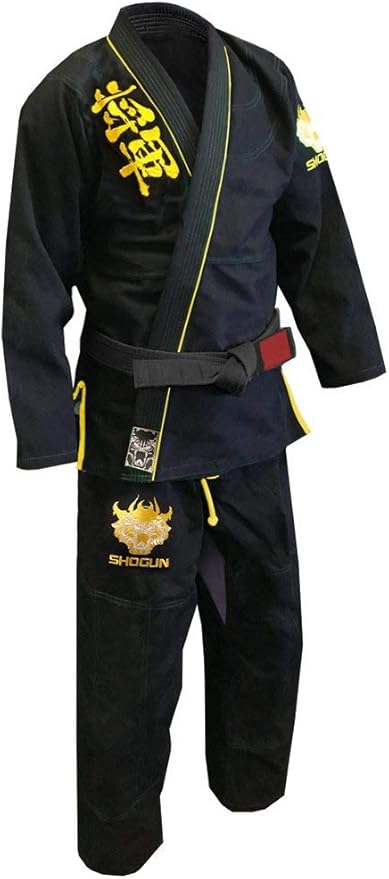
The SHOGUN Fight gi caught my attention because of its 350 GSM pearl weave specification. That weight sits in the sweet spot between ultra-lightweight and traditional gis, making it versatile for various conditions.
I appreciate the Japanese-inspired design elements. The Kanji patches add visual interest without being overdone. It looks professional whether you’re training or competing.
The 350 GSM fabric provides more substance than ultra-lightweight options while still offering significant ventilation benefits. During hot weather training, it breathes well enough to stay comfortable. In cooler conditions, it provides just enough weight to feel substantial.
The cotton pearl weave has a traditional feel that many practitioners prefer. It’s not as silky as some modern fabrics, but that traditional texture provides better grip for training partners. Some techniques actually work better when your gi has a bit more texture.
The pants are well-constructed with reinforced knees and a comfortable waistband. I’ve put this gi through intense positional training, and the knees show no signs of thinning or wearing through.
Sizing proved accurate after washing. SHOGUN states it’s preshrunk, and my experience confirms this. The gi maintained its dimensions through multiple wash cycles.
Pros
Cons
My Verdict: The SHOGUN Fight gi works beautifully for practitioners who want a lighter gi without going ultra-lightweight. It’s particularly good for those who train in varying temperature conditions or prefer traditional gi characteristics. I’d recommend this for intermediate to advanced practitioners who appreciate quality construction.

I’ve recommended the Sanabul Essential to countless beginners asking about affordable lightweight gis. This uniform proves you don’t need to spend heavily to train comfortably in hot weather.
The lightweight preshrunk fabric exceeded my expectations given the accessible price point. It’s noticeably lighter than budget gis from a few years ago. Sanabul clearly put thought into creating something genuinely suitable for warm weather training.
The fit is straightforward and functional. It’s not as tailored as premium options, but it provides adequate mobility for all techniques. I’ve never felt restricted while wearing this gi during training.
What impressed me most was the durability relative to the investment. I expected a budget gi to show wear quickly, but the Sanabul held up through several months of regular training. The stitching stayed intact, and the fabric didn’t thin out at stress points.
The pants include a simple drawstring system that works reliably. It’s basic but effective. I’ve never had issues with the pants coming loose during rolling.
The fabric dries reasonably quickly for its price range. It’s not as fast as premium lightweight gis, but it’s significantly better than standard weight uniforms. After training, it dries noticeably faster than my heavier gis.
Pros
Cons
My Verdict: The Sanabul Essential is the gi I recommend to every beginner asking about hot weather training options. It delivers solid performance without requiring significant investment. It’s perfect for building your gi collection, serving as a backup, or starting your BJJ journey without overspending.
The debate between pearl weave and single weave gis continues in every gym. Having trained extensively in both, I can share practical insights about each option for hot weather use.
Pearl weave creates small pearl-like bumps in the fabric texture. This structure provides excellent durability while allowing good airflow. Most competition-legal lightweight gis use some variation of pearl weave. The fabric holds up better during intense gripping exchanges.
Single weave uses a simpler, flatter weave pattern. It’s typically lighter and more breathable than pearl weave, making it excellent for pure hot weather training. However, single weave gis tear more easily under stress and often don’t meet competition weight requirements.
For hot weather training that includes competition preparation, I prefer lightweight pearl weave. You get adequate ventilation with competition-legal durability. For casual training in extreme heat, single weave offers maximum comfort.
GSM (grams per square meter) indicates fabric density and weight. This number directly impacts how your gi performs in hot conditions.
Standard gis typically range from 450-550 GSM. These feel heavy and trap heat during intense training. They’re durable but uncomfortable in warm weather.
Lightweight gis usually fall between 300-400 GSM. This range provides the best balance of breathability and durability for hot weather training. Most of my recommendations fall in this category.
Ultra-lightweight gis go below 300 GSM. These offer maximum cooling but sacrifice some durability. They’re perfect for training in extreme heat but may wear faster.
I’ve found that 350-380 GSM hits the sweet spot for most practitioners. You get significant cooling benefits without compromising durability too much.
A hot weather gi needs lightweight fabric (300-400 GSM), breathable weave construction that allows airflow, and quick-drying material that wicks moisture away from your skin. These features work together to keep you cooler during intense training sessions.
Not necessarily. Modern lightweight gis use advanced weave patterns and reinforced stitching that provide excellent durability despite reduced weight. Quality lightweight gis from reputable manufacturers last just as long as heavier options when properly cared for.
This depends on the specific gi and competition rules. IBJJF requires minimum fabric weights that some ultra-lightweight gis don’t meet. Always verify your gi meets competition specifications before tournament day. Most lightweight gis in the 300-400 GSM range are competition legal.
Follow the manufacturer’s sizing chart carefully since lightweight gis often fit differently than standard weight uniforms. If you’re between sizes, I recommend sizing up slightly. Lightweight gis typically have less fabric to accommodate shrinkage, so too small causes problems.
White gis reflect more heat than darker colors, making them slightly cooler in hot conditions. The difference is noticeable but not dramatic. I prioritize fabric weight and breathability over color for maximum cooling effect.
I recommend at least two lightweight gis for regular training. This allows proper rotation, giving each gi time to dry completely between uses. Three GIs work even better during peak summer training periods.
Absolutely. Hanging your gi near a fan significantly reduces drying time. I position a standing fan near my drying area during the summer. This keeps air circulating around the fabric and prevents musty odors from developing.
Finding the best BJJ gi for hot weather isn’t about chasing the lightest number on the label; it’s about smart design that keeps you cool, compliant, and confident on the mat. From the featherlight Gold BJJ Aeroweave to the reliable Sanabul Essential, each gi here proved itself in real sweat sessions, not just spec sheets.
As someone who’s melted through more gis than I care to admit, I can say this: the right summer gi doesn’t just make training bearable, it makes you better. So stay light, stay legal, and keep rolling, even when the heat turns your gym into a pressure cooker.